Why Is My AC Blowing Warm Air? (Common Causes and Fixes)
- Hutchinson Heating and Air
- Oct 27, 2025
- 5 min read

When your air conditioner starts blowing warm air instead of cool, it can be frustrating especially during the hot summer months in Murrieta and Temecula. A properly working AC should cool your home quickly and evenly, but when it fails, several issues could be behind it.
In this guide, Hutchinson Heating and Air Conditioning explains the most common reasons your AC is blowing warm air, how to fix them, and when to call a professional for reliable help.
Understanding Why Your AC Blows Warm Air
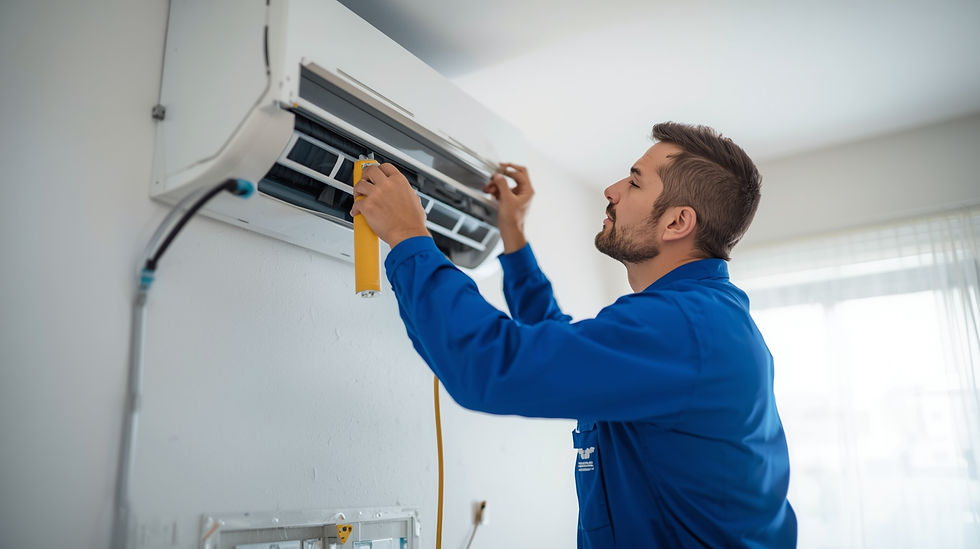
If your air conditioner isn’t producing cold air, it’s not always a sign of total failure. Sometimes, the problem is small like an incorrect thermostat setting or a clogged filter. Other times, it’s more serious like a refrigerant leak or a blocked condenser coil.
Knowing how your AC system works helps you identify what’s going wrong and take quick action before it turns into a costly repair.
Your AC cools air by:
Pulling warm indoor air through the return vent.
Passing it through evaporator coils filled with refrigerant to absorb heat.
Sending the cooled air back inside your home.
Releasing absorbed heat outdoors through the condenser unit.
If any of these steps fail, you’ll start noticing your AC blowing warm air instead of cool.
1. Incorrect Thermostat Setting
Before assuming a major malfunction, check the thermostat. It’s one of the simplest but most common causes of warm air issues.
Make sure it’s set to “Cool” mode, not “Heat” or “Fan Only.”
Confirm the temperature is lower than the current room temperature.
Replace weak or dead thermostat batteries if applicable.
A faulty thermostat can misread the temperature and prevent your AC from cycling correctly. If it’s outdated or malfunctioning, upgrading to a modern programmable thermostat can help improve comfort and efficiency.
2. Dirty or Clogged Air Filter
A clogged air filter restricts airflow, forcing your AC to work harder while producing less cool air. Over time, this can lead to system overheating and even frozen evaporator coils.
Signs of a dirty air filter:
Weak or warm airflow
Higher energy bills
Dust buildup on vents
Ice forming on indoor coils
Fix: Check your air filter monthly, especially during summer. Replace or clean it (depending on type) every 1–3 months. Maintaining clean filters can prevent 80% of minor cooling issues.
3. Refrigerant Leak
Your AC relies on refrigerant (commonly R-410A or R-22) to absorb heat and cool your indoor air. If a refrigerant leak occurs, your system can’t cool effectively, causing warm air from the vents.
Common signs of a refrigerant leak:
Hissing or bubbling noises
Ice buildup on the evaporator coil
AC runs constantly but doesn’t cool
Higher electricity bills
Fix: Refrigerant leaks must be handled by licensed HVAC professionals. The technician will locate the leak, repair it, and recharge the system with the correct refrigerant. Never try to add refrigerant yourself it’s both unsafe and illegal without certification.
4. Blocked or Dirty Condenser Coil
The condenser coil in your outdoor unit releases heat removed from your home. If it’s covered in dirt, leaves, or debris, heat can’t escape efficiently. This causes your AC to blow warm air.
Causes:
Dust buildup on fins
Leaves and grass blocking airflow
Mud or pet hair around the unit
Fix: Turn off the AC and gently clean the outdoor coil with a garden hose (no high pressure). Clear away any debris around the condenser. Schedule yearly air conditioning maintenance to keep the system running efficiently.
5. Electrical or Circuit Problems
Sometimes, your AC’s indoor blower is working, but the outdoor compressor isn’t. This imbalance can make it seem like your AC is blowing warm air.
Possible reasons:
Tripped circuit breaker
Blown fuse
Faulty capacitor or relay
Worn-out contactor
Fix: Check your home’s electrical panel and reset any tripped breakers. If the issue keeps recurring, call an HVAC technician. Electrical parts like capacitors should only be replaced by professionals to avoid shock risks.
6. Frozen Evaporator Coil
A frozen evaporator coil blocks heat transfer, so your AC starts circulating warm or no air at all.
Causes:
Low refrigerant levels
Poor airflow from dirty filters
Blocked return vents
Malfunctioning blower fan
Fix: Turn off your AC and let the ice thaw completely. Replace the air filter and ensure vents are open. If the problem persists, you might have a refrigerant or blower motor issue that requires expert diagnosis.
7. Leaky Ductwork
Leaky or poorly sealed ducts can leak cool air into your attic, crawl space, or walls causing warm air to reach your vents.
Symptoms:
Uneven cooling in rooms
Higher energy bills
Dusty indoor air
Fix: Have your ducts professionally inspected and sealed. This not only improves comfort but also boosts system efficiency by up to 30%.
8. Failing Compressor
The compressor is the heart of your AC system. It circulates refrigerant between the indoor and outdoor units. If it fails, your system can’t cool the air at all.
Warning signs:
Clicking or humming from outdoor unit
AC runs but air stays warm
Frequent breaker trips
Fix: Unfortunately, compressor repairs can be expensive. A professional will assess whether replacement or a full system upgrade is more cost-effective.
9. Low Voltage or Power Issues
Inconsistent voltage can affect how your AC components function. Even minor fluctuations can stop the compressor or fan motor from working properly.
Fix: Have a qualified electrician check your power supply or install a voltage stabilizer if your area experiences frequent fluctuations.
10. Poor AC Maintenance
Neglecting regular AC maintenance can cause all of these problems—dirty filters, blocked coils, weak airflow, and reduced efficiency.
A yearly tune-up includes:
Cleaning coils and filters
Checking refrigerant levels
Testing electrical components
Lubricating moving parts
Inspecting thermostat performance
Routine service helps prevent sudden breakdowns and keeps your AC blowing cool air all summer long.
When to Call a Professional
If you’ve checked the thermostat and replaced the filter but your AC is still blowing warm air, it’s time to call for help.
Professional HVAC technicians can:
Detect refrigerant leaks
Clean coils and ducts safely
Test electrical components
Restore proper cooling performance
For dependable local service, schedule air conditioning repair Murrieta with trusted technicians who understand your system inside and out.
Preventing Future AC Warm Air Problems
To prevent your AC from blowing warm air again, follow these preventive steps:
Replace filters regularly (every 1–3 months).
Schedule yearly tune-ups before summer.
Keep the outdoor unit clean and clear of debris.
Check thermostat accuracy and update it if needed.
Seal leaky ducts for efficient airflow.
Taking care of your AC now saves you money on energy bills and avoids costly repairs down the road.
You may also read this: How to Troubleshoot Common AC Problems
Final Thoughts
If your AC is blowing warm air, it’s often due to simple issues like dirty filters or thermostat problems but it can also signal more serious concerns like refrigerant leaks or a failing compressor. For expert help and fast repairs in Murrieta, Temecula, and surrounding areas, contact us today. Hutchinson Heating and Air Conditioning skilled technicians will diagnose the issue, restore your comfort, and ensure your system keeps you cool all season long.
FAQs
Why is my AC blowing warm air even after changing the filter?
If the air filter isn’t the issue, you might have low refrigerant levels or a blocked condenser coil. A technician can inspect and recharge your system properly.
How can I tell if my AC has a refrigerant leak?
Watch for hissing sounds, ice buildup, or weak cooling performance. Only a professional can confirm and fix refrigerant leaks safely.
Can a thermostat cause my AC to blow warm air?
Yes. A miscalibrated or malfunctioning thermostat can send wrong signals to your system, preventing it from cooling effectively.
How often should I clean my condenser coils?
At least once a year. Cleaning them before summer helps maintain good airflow and cooling efficiency.
What’s the best way to prevent my AC from blowing warm air?
Regular maintenance, filter changes, and professional inspections are the best ways to prevent warm air issues.


Comments