Why Do Plumbers Not Recommend Tankless Water Heaters?

Tankless water heaters are often marketed as modern, energy-saving solutions. Many homeowners believe they are the best upgrade for comfort and efficiency. But when you talk to real plumbers, the opinion is often different.
So, why do plumbers not recommend tankless water heaters? The answer is not simple. It comes down to cost, performance, maintenance, and real-world installation challenges.
In this guide, we will break down the tankless water heater pros and cons, explain the problems with tankless water heaters, and help you decide if they are truly worth it.
How Tankless Water Heaters Work
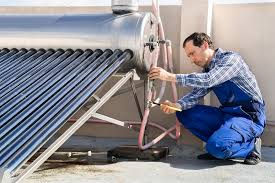
A tankless water heater heats water only when you need it. Unlike traditional systems, it does not store hot water in a tank.
When you turn on a faucet, cold water flows through the unit and gets heated instantly using gas or electricity.
This design sounds efficient, but it also creates limitations that plumbers deal with daily.
Why Do Plumbers Not Recommend Tankless Water Heaters?
High Installation Cost
One of the biggest reasons plumbers hesitate is the cost.
Installing a tankless system often requires:
Upgrading gas lines
Adding new venting systems
Electrical system modifications
This makes the upfront cost much higher than a traditional unit. Many homeowners are not prepared for this expense.
Inconsistent Water Flow
Tankless systems can struggle when multiple fixtures run at the same time.
For example:
Shower running
Dishwasher on
Washing machine working
This can lead to temperature drops or reduced pressure. Plumbers often get complaints about this issue.
Frequent Maintenance Needs
Tankless units require regular maintenance to work properly.
Mineral buildup (especially in hard water areas) can damage the system. Without routine flushing and servicing, performance drops quickly.
This is one of the most common problems with tankless water heaters.
Limited Output in Cold Climates
In colder regions, incoming water is very cold.
This means the unit has to work harder to heat it. As a result:
Water flow rate decreases
Heating efficiency drops
Plumbers often recommend traditional systems in such conditions.
Higher Repair Cost
Repairing a tankless water heater can be expensive.
Parts are more complex and not always available quickly. Labor costs are also higher because the system is more advanced.
This adds to the long-term ownership cost
Tankless Water Heater Pros and Cons
Pros
Endless hot water supply (under ideal conditions)
Energy-efficient when used correctly
Compact and space-saving design
Longer lifespan than traditional tanks
Cons
High upfront installation cost
Performance issues with multiple uses
Regular maintenance required
Expensive repairs
Understanding these tankless water heater pros and cons helps homeowners make better decisions.
Tankless vs Traditional Water Heater Comparison
Traditional Water Heaters
Store hot water in a tank
Lower installation cost
Simple and reliable
Limited hot water supply
Tankless Water Heaters
Heat water on demand
Higher installation cost
Compact size
Unlimited hot water (with limits on flow)
This tankless vs traditional water heater comparison shows that each system has its own strengths and weaknesses.
Are Tankless Water Heaters Worth It?
This is one of the most common questions homeowners ask.
Are tankless water heaters worth it? The answer depends on your needs.
They may be worth it if:
You have a small household
You use hot water at different times
You want long-term energy savings
They may not be worth it if:
You have a large family
Multiple fixtures run at once
Your home needs major upgrades for installation
In many real-world cases, plumbers recommend traditional systems because they are simpler and more dependable.
Common Problems With Tankless Water Heaters
Here are some real issues plumbers frequently encounter:
Scale Build-Up
Hard water causes mineral deposits inside the unit. This reduces efficiency and can damage components.
System Overload
Using multiple fixtures at once can overload the system and reduce performance.
Delayed Hot Water
There can be a short delay before hot water reaches the faucet.
Cold Water Sandwich Effect
You may feel bursts of cold water between hot water usage.
These problems with tankless water heaters are important to understand before making a decision.
Installation Challenges You Should Know
Installing a tankless system is not a simple DIY task.
If done incorrectly, it can lead to:
Safety risks
Poor performance
Higher energy bills
For a detailed guide, check this:How to Install a Tankless Water Heater Without Mistakes
Proper installation is critical for performance and safety.
Expert Opinion From HVAC Professionals
From an HVAC and plumbing perspective, tankless systems are not bad. But they are not always the best choice.
Professionals often prioritize:
Reliability
Cost-effectiveness
Ease of maintenance
That is why many plumbers still recommend traditional systems for most homes.
Conclusion
Tankless water heaters offer modern features, but they are not perfect. The high cost, maintenance needs, and performance limits are the main reasons plumbers hesitate to recommend them.
If you are thinking about upgrading your water heating system, it is important to look beyond marketing claims and focus on real-world performance.
At Hutchinson Heating and Air, we help homeowners choose the right system based on their needs, not trends. Whether you need installation, repair, or expert advice, our team is ready to help.
Contact Hutchinson Heating and Air today to get honest recommendations and reliable service for your home comfort.
FAQs
1. Why do plumbers prefer traditional water heaters?
They are more reliable, easier to install, and cost less upfront.
2. What is the biggest downside of tankless water heaters?
High installation cost and limited performance during heavy use.
3. How long do tankless water heaters last?
They can last up to 20 years with proper maintenance.
4. Do tankless systems save money?
They can save energy, but the savings may not cover the high initial cost.
5. Can a tankless water heater run multiple showers?
It depends on the unit size. Many systems struggle with multiple simultaneous uses.


Comments