Is AC Good for BP Patients?

Air conditioning is part of daily life in many homes. But many people ask, is AC good for BP patients? The answer is not a simple yes or no. It depends on how you use it, the temperature setting, and your body condition.
Understanding air conditioning effects on blood pressure helps you stay safe and comfortable. If used correctly, AC can support better health. If misused, it may cause discomfort or even affect your BP levels.
How Air Conditioning Affects Blood Pressure
Understanding Air Conditioning Effects on Blood Pressure
Air conditioning controls indoor temperature and humidity. This directly impacts your body.
When the room is too hot, your body works harder to cool down
When it is too cold, your blood vessels may tighten
Both conditions can affect BP levels.
Can AC Increase or Decrease BP Levels?
This depends on the environment:
Hot environment (without AC):
Causes dehydration
May increase heart rate
Can raise blood pressure
Cool and balanced AC setting:
Helps relax the body
Supports stable BP levels
Very cold AC setting:
Can cause blood vessels to constrict
May increase BP in some people
So, the key is moderation.
Does Cold Air Affect Hypertension Patients?
Effects of Cold Air on the Body
Cold air can impact people with hypertension in different ways.
When exposed to cold air:
Blood vessels narrow
Circulation becomes tighter
Heart works harder
This can lead to a temporary rise in BP.
Who Is More Sensitive?
Some people feel these effects more:
Elderly individuals
People with severe hypertension
Patients with heart conditions
That is why sudden exposure to very cold air should be avoided.
Best Room Temperature for High Blood Pressure
Ideal Temperature Range
The best room temperature for high blood pressure is usually between:
24°C to 26°C (75°F to 78°F)
This range keeps the body comfortable without stress.
Why This Temperature Works
Prevents dehydration
Avoids sudden vessel tightening
Keeps heart rate stable
Supports better sleep
Maintaining a steady indoor climate is more important than making the room too cold.
Benefits of Using AC for BP Patients
1. Reduces Heat Stress
High heat can increase BP. AC helps control this.
2. Improves Sleep Quality
Cool air helps the body relax and sleep better. Good sleep supports healthy BP.
3. Maintains Indoor Comfort
Stable temperature reduces physical stress on the body.
4. Supports Breathing
Filtered air can improve indoor air quality, which supports overall health.
Risks of Improper AC Use
1. Setting Temperature Too Low
Very cold air may:
Increase BP temporarily
Cause stiffness or discomfort
2. Sudden Temperature Changes
Moving from hot outdoors to very cold indoors can shock the body.
3. Dry Air Problems
AC can reduce humidity, leading to:
Dry skin
Dehydration
Breathing discomfort
Tips for BP Patients Using Air Conditioning
Maintain Balanced Settings
Keep temperature between 24°C–26°C
Avoid extreme cooling
Stay Hydrated
Drink enough water to prevent dehydration.
Avoid Direct Cold Air
Do not sit directly in front of AC airflow.
Use Timers or Smart Controls
Keep the temperature stable, especially during sleep.
Regular System Care
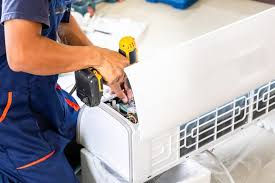
Proper maintenance ensures clean air and stable performance. This is where What Is AC Maintenance becomes important, as it helps your system run safely and efficiently.
Why AC Maintenance Matters for Health
A poorly maintained AC system can:
Circulate dust and allergens
Cause uneven cooling
Increase humidity issues
Regular servicing improves:
Air quality
Temperature consistency
System efficiency
Hutchinson Heating and Air focuses on proper AC care to ensure safe and reliable cooling for every home.
When Should BP Patients Be Careful?
You should take extra care if:
You feel dizzy in cold environments
Your BP fluctuates often
You experience cold sensitivity
In such cases:
Adjust temperature slowly
Monitor how your body reacts
Expert Insight on AC and Hypertension
Doctors generally agree that controlled indoor environments are helpful. Extreme heat is more dangerous than moderate cooling.
The goal is simple:
Avoid overheating
Avoid overcooling
Keep conditions stable
This balance helps manage BP more effectively.
Conclusion
So, is AC good for BP patients? Yes, when used properly. Air conditioning can help maintain a comfortable environment, reduce heat stress, and support better sleep. However, incorrect use like very low temperatures or sudden changes can negatively affect blood pressure.
The key is balance. Set the right temperature, stay hydrated, and maintain your AC system regularly.
For safe, reliable cooling, trust Contact Hutchinson Heating and Air today. Their expert service ensures your system runs smoothly and supports a healthy indoor environment. If you want better comfort and peace of mind, now is the time to schedule a professional check.
FAQs
1. Can AC increase blood pressure?
Yes, if the temperature is too low. Cold air can tighten blood vessels and raise BP temporarily.
2. What is the best AC temperature for BP patients?
The ideal range is 24°C to 26°C for comfort and stability.
3. Does cold air affect hypertension patients badly?
It can, especially if exposure is sudden or extreme.
4. Is sleeping in AC safe for BP patients?
Yes, if the temperature is moderate and stable.
5. Can AC help reduce high blood pressure?
Indirectly, yes. It reduces heat stress and improves comfort, which supports healthy BP levels.


Comments