How to Choose the Right Heating System for Your Home
- Hutchinson Heating and Air
- Oct 21, 2025
- 6 min read

When temperatures drop, every homeowner wants a reliable heating system that keeps the house warm without skyrocketing energy bills. But how to choose the right heating system for your home can be confusing with so many options available from furnaces and heat pumps to boilers and ductless units.
This complete guide by Hutchinson Heating and Air will help you understand the best heating system for home based on your needs, budget, and climate. Whether you’re building a new house or upgrading an old furnace, this blog will make sure you make the right choice for comfort and efficiency.
Understanding the Basics of Home Heating
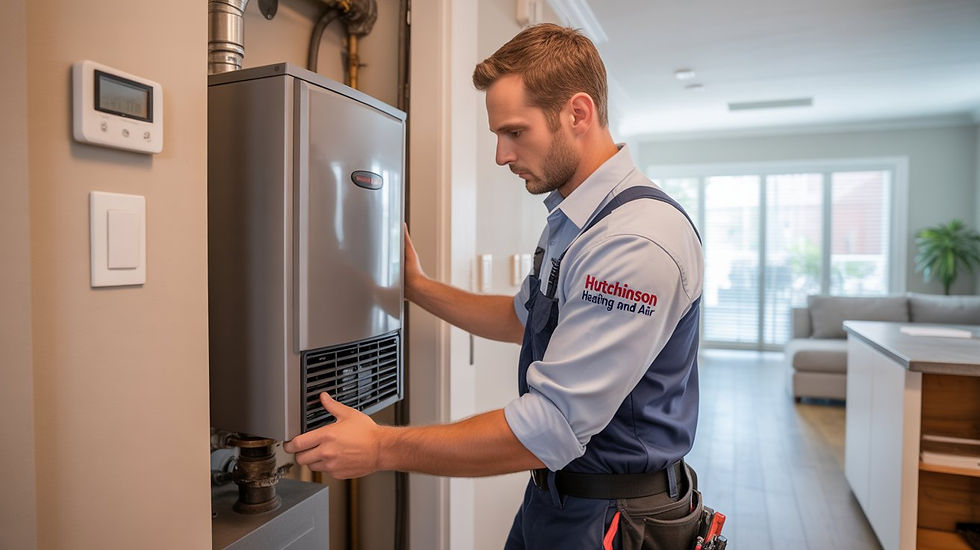
Before choosing, it’s important to understand what heating systems actually do. A home heating system works by generating heat and distributing it throughout your home. Depending on the type, it may use electricity, natural gas, propane, or oil as fuel.
Your decision depends on several key factors: the size of your home, insulation level, energy efficiency preferences, and climate. For residents in areas like Temecula or Murrieta, where winters are mild but chilly, energy efficiency and cost-effectiveness play a huge role.
Common Types of Home Heating Systems
There are many types of home heating systems, each with unique advantages and performance levels. Understanding these systems helps you compare their cost, efficiency, and comfort level.
1. Forced-Air Furnaces
A forced-air furnace is the most common heating system in American homes. It uses a blower to distribute warm air through ducts. Furnaces can be powered by gas, electricity, or oil.
Pros: Heats up quickly, energy-efficient (especially gas models), and compatible with central air conditioning.
Cons: Requires ductwork maintenance, can distribute dust if not cleaned regularly.
2. Heat Pumps
Heat pumps are an energy-efficient option that can both heat and cool your home. Instead of generating heat, they transfer heat from the outside air or ground into your home.
Pros: Dual-purpose (heating and cooling), great energy savings, ideal for moderate climates.
Cons: Performance can drop in extremely cold weather.
3. Boilers and Radiant Heating
A boiler system uses hot water or steam to heat your home through radiators or underfloor pipes.
Pros: Consistent and comfortable heat, quiet operation, great for allergy sufferers.
Cons: Slower to heat rooms, may require complex installation.
4. Ductless Mini-Split Systems
Ductless systems offer efficient heating and cooling without ductwork. Each room or zone gets its own indoor unit.
Pros: Energy-efficient, ideal for older homes or room additions, easy installation.
Cons: Higher upfront cost, indoor units visible on walls.
5. Electric Baseboard Heaters
These are individual heating units typically installed under windows or along walls.
Pros: Easy installation, zoned heating control.
Cons: High energy costs, less suitable for large homes.
How to Choose the Right Heating System for Your Home
Choosing the perfect system isn’t just about price it’s about comfort, energy use, and long-term savings. Here’s how to make a smart decision.
1. Assess Your Home’s Size and Layout
The size of your home affects the best heating system for home. A system too small will struggle to warm your home efficiently, while an oversized one wastes energy. Always get a professional load calculation before installation.
2. Consider Energy Efficiency
Energy-efficient systems save money over time. Look for systems with high AFUE (Annual Fuel Utilization Efficiency) ratings or ENERGY STAR® certifications. A high-efficiency furnace can reduce your heating costs by up to 30%.
3. Evaluate Fuel Types Available in Your Area
Your fuel source affects both cost and efficiency. In Southern California, natural gas is often the most affordable option. Electric heat pumps are also popular due to their efficiency and eco-friendliness.
4. Compare Installation and Maintenance Costs
Each home heating option has its own installation and maintenance needs. For example, boilers might have higher installation costs, while furnaces require regular filter changes. Consider long-term maintenance before deciding.
5. Think About Your Climate
For areas like Temecula and Murrieta, mild winters make heat pumps or ductless systems excellent choices. They provide efficient warmth without overworking.
6. Evaluate Comfort Level and Air Quality
Some systems like radiant heating or boilers provide even warmth without blowing air. If you have allergies, a system that doesn’t circulate dust, like a boiler, may be better.
7. Smart Controls and Zoning Options
Modern systems offer programmable thermostats and zoning, allowing you to control temperature in different rooms. This can significantly improve comfort and energy savings.
Comparing Heating Efficiency Across Systems
Heating System | Average Efficiency (AFUE/COP) | Best For | Maintenance Level |
Gas Furnace | 90–98% AFUE | Larger homes | Moderate |
Heat Pump | 3.0–4.0 COP | Mild climates | Low |
Boiler | 85–95% AFUE | Consistent heating | Moderate |
Ductless Mini-Split | 18–30 SEER / 10–12 HSPF | Zoned comfort | Low |
Electric Baseboard | 100% (electric use) | Small rooms | Low |
Signs You Should Upgrade or Replace Your Old System
Even the best heating system for home won’t last forever. Watch out for these signs:
Uneven heating or cold spots
Higher energy bills
Strange noises or odors
Frequent repairs
System older than 15–20 years
If you notice any of these, you might need a system upgrade. For reliable help with heating installation systems in Temecula, Hutchinson Heating and Air offers professional installation and honest recommendations.
Cost Factors When Choosing a Heating System
The total cost of installing a new heating system can vary depending on several factors:
Type of System: Furnaces are typically less expensive to install than boilers.
Home Size and Ductwork: Larger homes or those without ducts may need more complex installations.
Energy Efficiency Ratings: High-efficiency systems cost more upfront but save money over time.
Labor Costs: Professional installation ensures proper sizing, safe operation, and warranty coverage.
On average, homeowners spend between $4,000 and $9,000 for a complete installation, depending on the system and labor costs.
Benefits of Choosing the Right Heating System
Choosing the right system brings multiple long-term benefits:
Consistent Indoor Comfort: Enjoy even warmth throughout your home.
Lower Energy Bills: Energy-efficient units cut monthly heating costs.
Fewer Repairs: New systems require less maintenance and last longer.
Cleaner Indoor Air: Modern systems reduce dust and allergens.
Higher Home Value: An upgraded system adds value and buyer appeal.
Professional Guidance Matters
Even with research, how to select a heating system is not something homeowners should do alone. A professional HVAC technician can assess your home’s insulation, ductwork, and heating needs accurately.
At Hutchinson Heating and Air, we specialize in helping homeowners in Temecula, Murrieta, and nearby areas find the most suitable system for their budget and comfort goals.
Eco-Friendly Heating Systems for the Future
If you want to make your home greener, consider eco-friendly systems such as geothermal heat pumps, solar-assisted heating, or high-efficiency gas furnaces. These systems reduce carbon emissions while providing reliable warmth.
The demand for sustainable solutions continues to grow, and modern heating technology offers better control, higher performance, and less energy waste than ever before.
Maintenance Tips for Longevity and Performance
After installation, routine maintenance keeps your system efficient and extends its lifespan:
Replace or clean filters every 1–3 months.
Schedule annual professional inspections.
Keep outdoor units (for heat pumps) free from debris.
Check thermostat settings for accuracy.
Ensure vents and ducts remain unobstructed.
A well-maintained system can last over 15 years while maintaining top performance.
You may also read: Top Signs You Need a New Heater Installed in Your Home
Final Thoughts
Now that you know how to choose the right heating system for your home, it’s time to make an informed decision that ensures year-round comfort and energy savings.
From furnace installations to heat pump upgrades, Hutchinson Heating and Air has helped hundreds of homeowners across Murrieta and Temecula enjoy efficient and reliable heating.
If you’re planning to install or upgrade your heating system, contact us today for a personalized consultation and professional installation. Let us bring warmth and comfort to your home this winter.
FAQs
What is the best heating system for home use?
The best heating system for home depends on your climate, energy source, and home size. For mild climates like Temecula, heat pumps or gas furnaces are great options.
How long does a home heating system last?
Most types of home heating systems last between 15 to 25 years, depending on maintenance and usage.
Is a heat pump better than a furnace?
Heat pumps are more energy-efficient in moderate climates, while furnaces are better for extremely cold areas. Choose based on your region and energy costs.
How to select a heating system for a small home?
For small homes or apartments, ductless mini-splits or electric baseboard heaters offer efficient, space-saving solutions.
When should I replace my old heater?
If your system is over 15 years old, has frequent breakdowns, or high energy bills, it’s time to consider a replacement.


Comments